Strategic Consulting
Blessing or Burden: The Elderly and Household Welfare in Ghana

Connecting food environments, fiscal tools, and nutrition policy into one credible investment roadmap.
Strategy Grounded in Evidence. Advisory that connects health, food systems, and household welfare into actionable policy and program design.
Urban food environments were shifting faster than national dietary guidelines could respond. The task was to connect retail scanner trends, street-food vendor ethnography, and fiscal instruments into one credible roadmap.
The role of the elderly in Ghanaian households is complex — they can be both a source of support and a financial burden. Elderly members often contribute through caregiving and income support, but in resource-poor households, their presence can increase financial strain. This study explores how elderly household members affect welfare outcomes, situating aging within the broader discourse on intergenerational support. The broader challenge is that Ghana’s aging population is growing, raising questions about social protection and household welfare. Without adequate policies, households may struggle to balance the contributions and costs of elderly members. This research highlights the dual nature of elderly presence in shaping welfare outcomes.
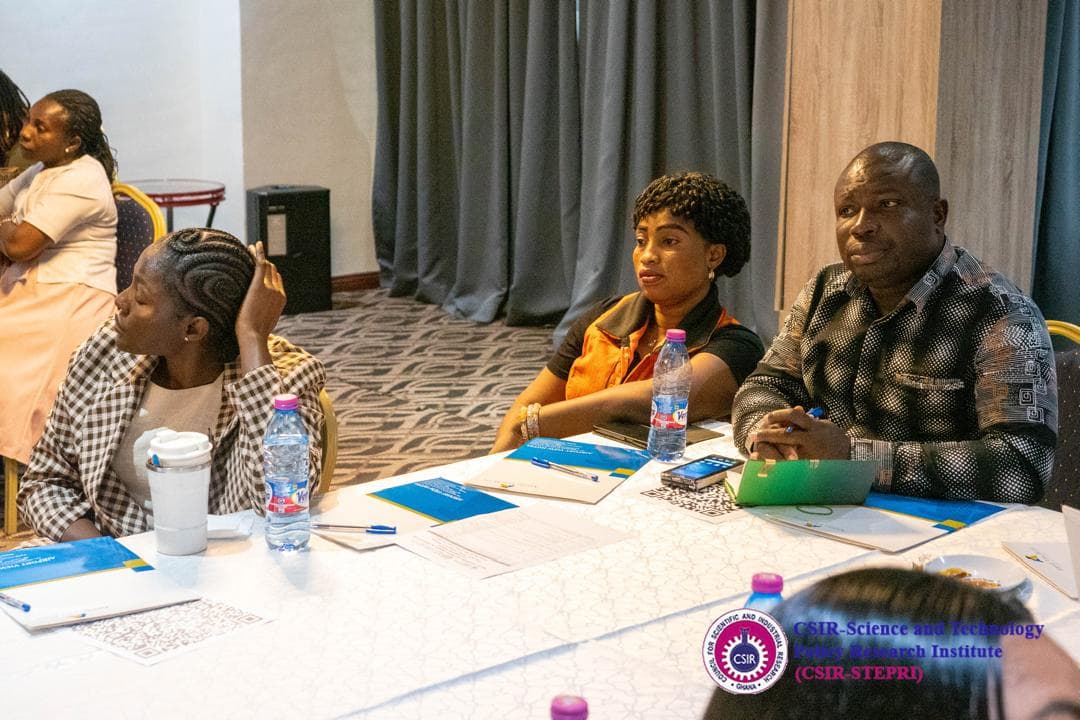
The elderly are both a blessing and a burden, underscoring the need for nuanced policies that balance household welfare and intergenerational support.
Martey, E
2022
Background
Advancing through the data
The role of the elderly in Ghanaian households is complex — they can be both a source of support and a financial burden. Elderly members often contribute through caregiving and income support, but in resource-poor households, their presence can increase financial strain. This study explores how elderly household members affect welfare outcomes, situating aging within the broader discourse on intergenerational support. The broader challenge is that Ghana’s aging population is growing, raising questions about social protection and household welfare. Without adequate policies, households may struggle to balance the contributions and costs of elderly members. This research highlights the dual nature of elderly presence in shaping welfare outcomes.
Research Approach
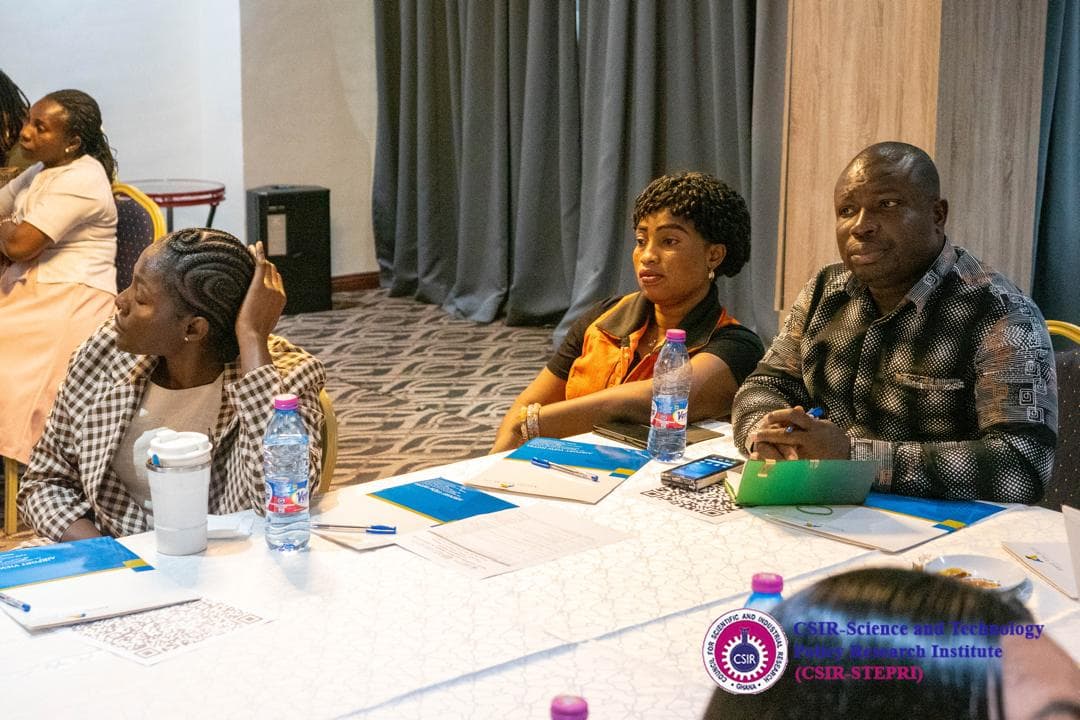
Household survey data was analyzed to measure the impact of elderly presence on welfare indicators such as income, expenditure, and child outcomes. Econometric models controlled for household wealth, size, and demographics to isolate the effects of elderly members. Qualitative interviews provided narratives of elderly contributions and burdens, capturing the diversity of experiences across households. Comparative analysis was conducted between wealthy and resource-poor households. This dual approach ensured findings were both statistically rigorous and contextually grounded.
Key findings from this study include:
- Elderly members contributed positively through caregiving and income support.
- In resource-poor households, elderly presence increased financial strain.
- Welfare outcomes varied significantly by household wealth status.
Implications
A strategic lens for organizations and policymakers
Social protection policies should account for elderly contributions and burdens.
Organizations can design programs that leverage elderly caregiving roles.
Businesses can explore products and services tailored to elderly needs.
For organizations, this research informs social program design. For policymakers, it highlights the need for inclusive social protection. For businesses, it identifies opportunities in elderly-focused markets.
The elderly are both a blessing and a burden, underscoring the need for nuanced policies that balance household welfare and intergenerational support.
Martey, E, 2022